Wednesday, February 13, 2013

Reinforcements For Russian Month

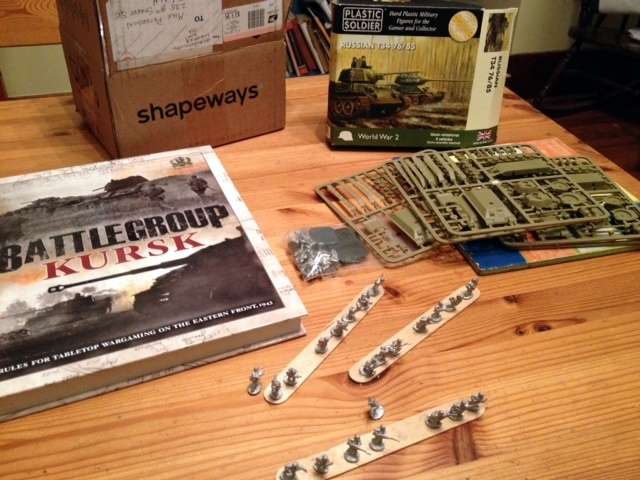
Yesterday was a happy one at the Mad Padre's Painting Chapel on the edge of the frozen Canadian prairie. Two parcels were waiting for me when I arrived home from work. One contained an intriguing collection of 15mm Battlefront figures, the result of a trade between myself and fellow blogger Chris Stoesen of Wargamer's Odds and Ends (check out his scenario books while you're there). I had a bunch of 15mm ACW figures that were never going to get painted, and he had some WW2 figures, which might, possibly, get painted, and it was a good deal all around. About a third of the minis Chris sent me were Russkies (the chaps in the centre on the popsicle sticks), and so they are going to get slotted into the schedule as Russian February continues.

Now I'm mindful as I writethis that today is Ash Wednesday, and today during the liturgy we confessed "Our intemperate love of worldly goods and comforts". I'm really hoping for an exemption from "intemperate love" when it comes to wargaming toys, and I haven't yet heard the call to stop painting or playing as my fasting regime during Lent. Maybe I'm not listening hard enough, I'm not sure. (Holds hands over ears - LALALALALALA). The other box to arrive yesterday was from my pusher (err, I mean, my dealer), James of J&M Miniatures, who lived up to his repuation for fast and courteous rabbit-enhanced service, and sent me a box of five 15mm T34/85s from Plastic Soldier Company and the new Ostfront rules produced by PSC and written by Warwick Kinkade, Battlegroup Kursk.

The T34s are the first products I have seen firsthand from PSC and I am impressed. After wasting three hours of my life trying to assemble and then binning a Nitto Tiger tank model that I got at some flea market, I will only build simple plastic tank kits from now on, and PSC, like Armourfast, are simple. I've only briefly looked at the sprues, but everything looks cleanly moulded and I think I can put all five together in an evening. They are nice kits, and will give me a start on a 15mm Soviet force to allow me to dual-role all the 15mm German kit I originally got for Normandy. I'm sure I can get the T34s done and painted as one of my Russian entries for the Analogue Painting Challenge.

Why Battlegroup Kursk? Chalk it up to my "intemperate love of worldly things", or, if you are slightly kinder, to my "oohh shiny" moment. It does seem an odd move for me, especially as I have TFL's IABSM3 rules and Richard Clarke is within days of coming out with his Eastern Front supplement. If I have to explain it, I guess because people I respect, like Mike Siggins in Battlegames, or Donogh McCarthy on his blog, have said good things about it, and because I've been tracking Kinkade since his involvement with KG Normandy and the late Warhammer Historical. I've read interviews with Kinkade and like some of his design ideas. Am I convincing you yet? No? Oh well. I've only had the briefest of time to peek inside the book. It reminds me of a Games Workshop rules book, hardback, impressive production values, lots of pictures, and a helpful modelling section. I of course am a sucker for eye candy, but I hope to try the rules soon. More to follow on that, including some peeks at my 20mm Soviet army when we get to April and my "Resurrected Armies" project.

In the meantime, may God prosper your brushes and bless your dice rolls!

Monday, February 11, 2013

Pigment Pickle

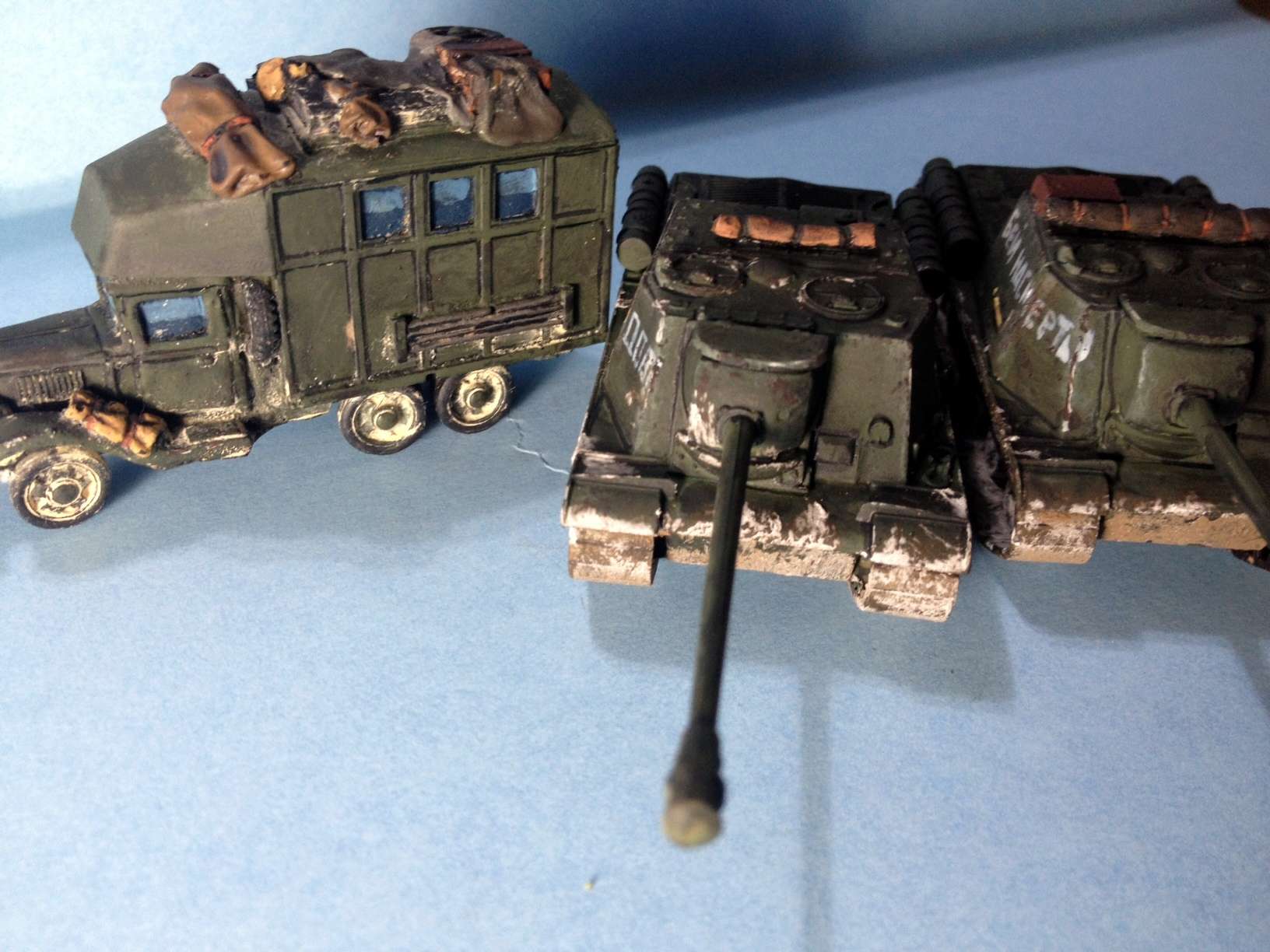
Gentle readers may recall how excited I was a few posts back about those sweet looking ISU 122 tanks that I had treated, somewhat overzealously, some opined, with Vallejo pigment. Well, I treated treated them with my usual final step, a spray of Testors Dullcote, and when I saw them yesterday morning, I was horrified to see that where the pigment had not dissolved, it had turned white and now loooked like snow. The same was true of a Britannia resin Soviet command truck that I had also treated with pigment. All three will now require some remediation.

I share this with you because this morning I noticed that my favourite penguin, Thomas, had just finished a beautiful British western desert LRDG chaos buggy and had treated it, quite successfully, I thought, with MIG pigment, and was wondering whether to matt varnish it. Not wanting him to repeat the same mistake, I jumped on the reply button. I think Thomas may try some Vallejo Matte Varnish vice the Testors stuff, so we will see if he has better luck, but for now, the cautionary moral to my sad tale is, don't get yourself in a pigment pickle. Be careful how you finish that model, and maybe do more research than I did.

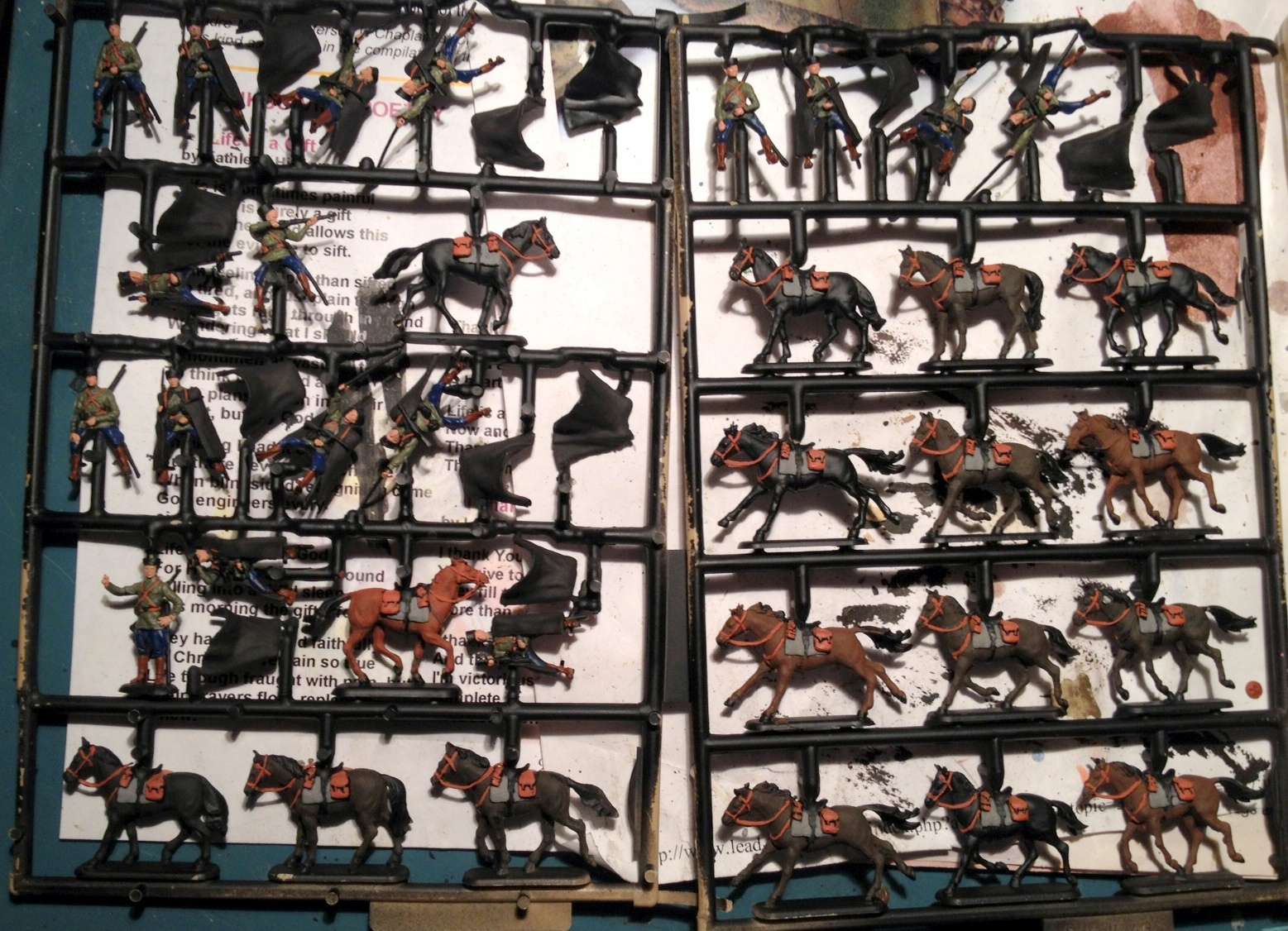
The season of Lent drawing near, with all its privations, I worked myself into a penitential mood Sunday afternoon by painting leather belts, straps, reigns and tack on 17 Revell Cossacks and their mounts, still left on the sprue. Soon I'll start snipping them off the sprue and seeing if I can get their capes (the bat-like dark things you see on the sprues) fit as advertised. If I can get them done by the end of this week, they will be Entry #6 for the Analogue Painting Challenge, and then a unit of 12 28mm Front Rank Hussars to carry on the theme of Russian February.

God prosper your brushes and bless your die rolls!

Saturday, February 9, 2013

Gentlemen From Japan And Other Diversions

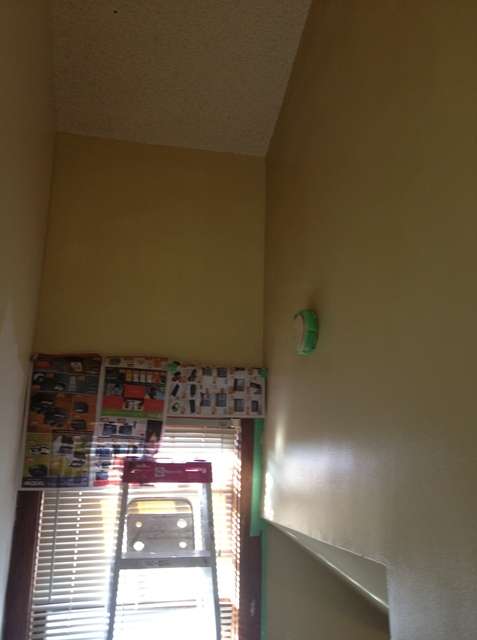
It's been a quiet weekend thus far at the Mad Padre's Painting Chapel on the edge of the frozen Canadian prairie. I've spent quite a lot it thus far painting terrain. The terrain is 1-1 scale and might be suitable for FIBUA gaming. Quite realistic, isn't it?

While I'm quite happy about being posted this summer, the down side of it is getting the house ready to sell. There are pros and cons to owning one's home while in the military. The upside is that military housing can be a little gruesome, and is not always well or promptly maintained, whereas I am free to buy the house I want, build up equity, and, hopefully, sell it for a modest profit. But getting it ready to sell requires work, and ironically it is work that I could have done early in my time here and enjoyed the results, as Mrs. Padre has observed. But darling, i wasn't idle in all that time, I go a LOT of miniatures painted.

\

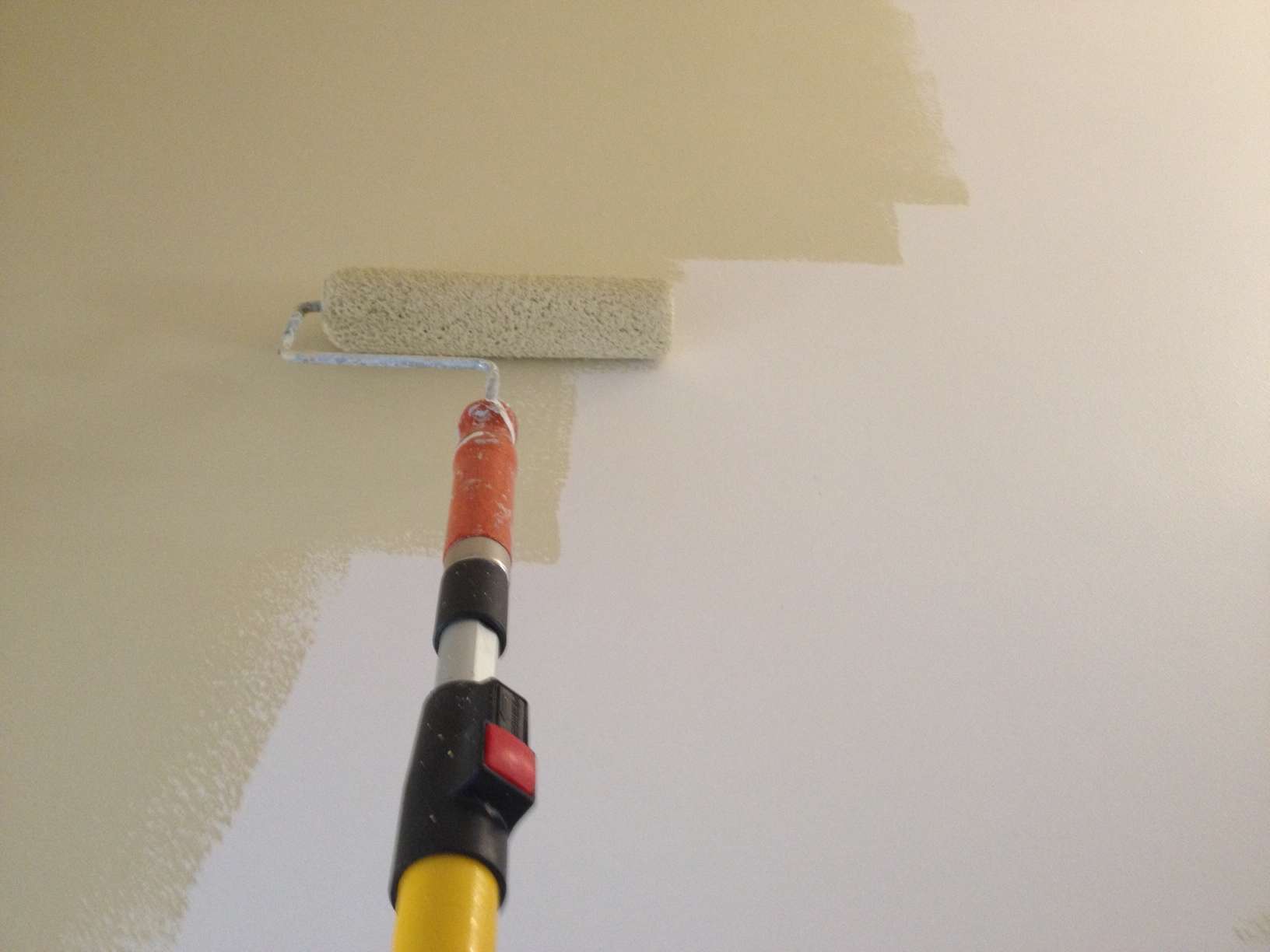
Signs you've been a miniatures wargamer for two long. While painting today, using a Flat Khaki eggshell that Mrs. Padre is quite fond of, I was watching it go on and thinking "that looks rather like dunkelgelb. I wonder if I could paint some panzers with it?" I would use a smaller brush than this one were I to do that.

I did find time to goof off from the housepainting:

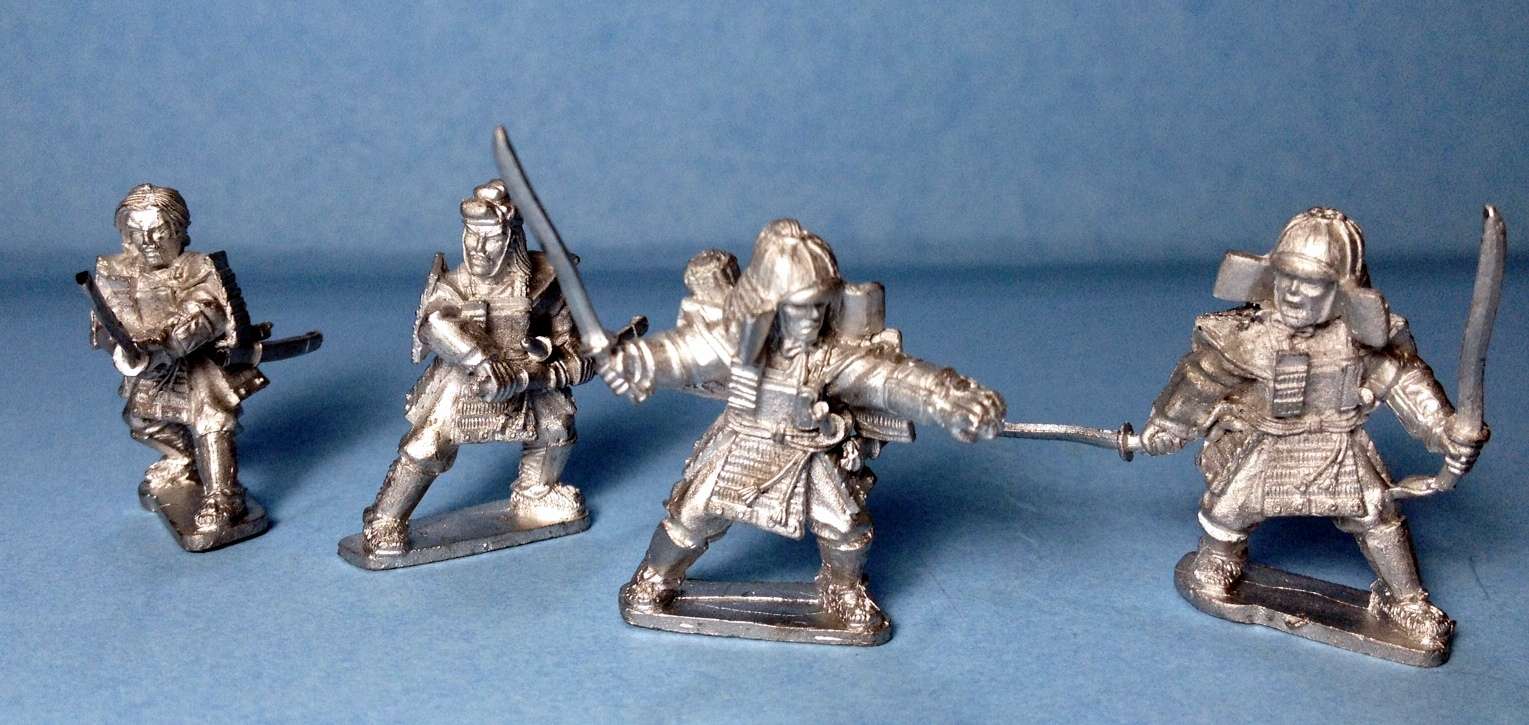
In other news, I was very pleased to find a package from The Assault Group in my mailbox on Friday. The contents are not to be painted lightly. Besides a complete unit of Ottoman Spahis of the Porte (more on that in a subsequent post on my resurrected armies project for April), there were these four TAG samurais with katana, who will make up my samurai offering to Curt for the Analogue Hobbies painting challenge.

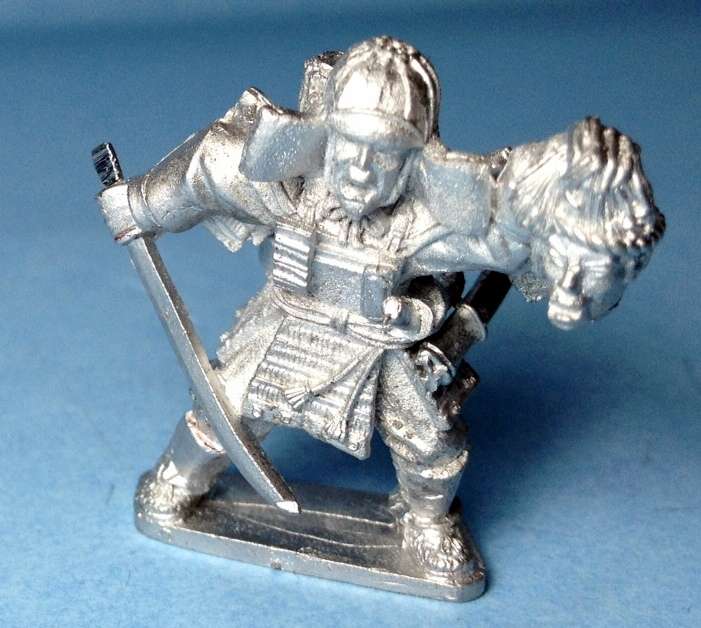
TAG stayed in character with the awesomeness they have shown me to date, and included this bonus samurai figure in my order.

He's as smart as a chap with two heads!

I don't really have the foggiest idea how to paint samurai. I've been consulting some top-notch panting guides, including this one:

Fortunately for me, a recent post on Alfons Canovas' amazing blog has some sumptuous samurai colour plates. Right, think sumptuous when I start painting them, and all will be well.

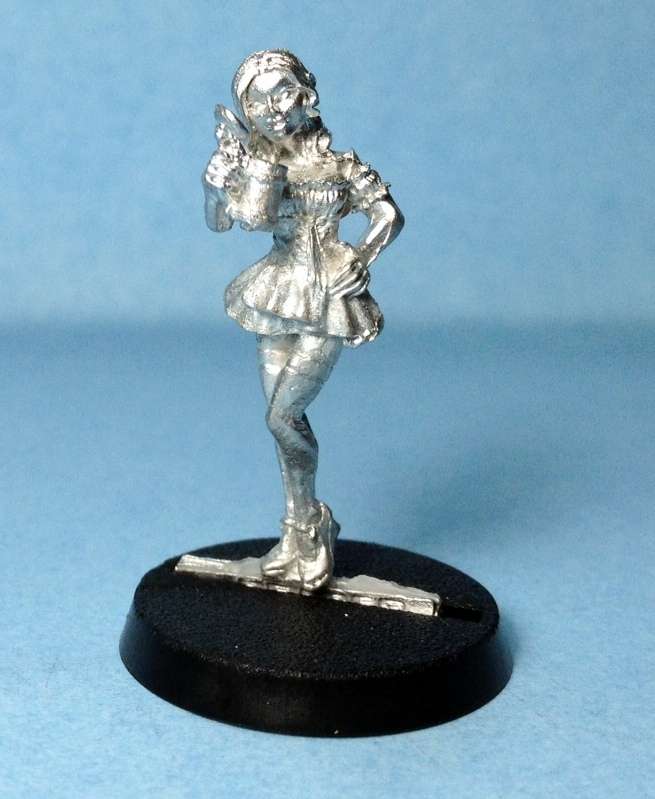
Now, the only think that worries me is what these samurai are going to do while they are waiting to be painted. I can already hear them downstairs, shouting for more sake and geisha girls. I don't have any geisha girls on hand, but this winsome young lass jumped out of the lead mountain and promised me she would keep them in hand. She is the Reaper Miniatures Oktoberfest Fraulein, and my plan for her is to use her as an Allied spy in my Weird War project, so it looks like she'll get primed and painted along with the Gentlemen From Japan. I am enthralled to her charms.

Warm wishes to you all from the edge of the frozen Canadian prairie. I am delighted that there are five new followers to Mad Padre Wargames, and I'll greet you personally in an upcoming post. In the meantime, may God prosper your brushes and bless your die rolls!

Wednesday, February 6, 2013

On The Shoulders Of Giants: Don Greenwood On Avalon Hill And The History Of Wargaming

A big shout out to fellow blogger Itinerant Hobbyist for his post last week, noting an interview with Don Greenwood of Avalon Hill on the excellent Guns, Dice and Butter podcast. While the name may not be that familiar to those on the miniatures side of the wargaming hobby, he is an iconic figure to those of us who remember and/or are shaped by the revolution in board wargames that occurred in the 1970s. I hadn't thought much about Greenwood since I sold my original Squad Leader products in the early 90s and moved on to miniatures gaming, but now that I think about, his influence on my own gaming was huge, either through the games he designed or the games he influenced and produced when he was the driving force at Avalon Hill after its initial Charles Roberts days. For me, just hearing a pioneer of the hobby talking about its early days and casually dropping names to conjure with like Dunnigan and Nofi was amazing. For me the only thing more exciting would be a podcast where the Apostle Paul talks about his struggles with Corinthians, but I digress.

As the Intinerant Hobbyist noted, one of the most interesting (and saddest) parts of the interview was Greenwood saying that he regretted the two years of his life and energy he poured into Advanced Squad Leader. As he puts it, he didn't perceive that the hobby was going in a different direction at the time, and didn't need an even more complex rework of a game system that had grown into an ungainly mess since the initial Squad Leader came out in the mid 1970s (I still remember how excited I was when I got my hands on the original SL in 1978). You have to admire Greenwood's passion for the project, just as you have to regret that he was a victim of the technology on hand. It's mind-boggling to think that all the SL and early edition ASL rules were produced on paper and ribbon typewriters, so that if you made a change, as Greenwood recalls, you had to retype the whole page. The first edition of ASL came out in 1985, and I never touched a word processor until 1986 (how well I remember that airless graduate faculty computing centre with its tractor feed printers and amberchrome monitors, and loading Word Perfect off 5" disks). I wonder how much of Greenwood's decision to rewrite the whole system was based on the technology available to him.

As I was listening to this interview I was reminded of Rick Priestly's essay, "A Second Bite", in his "This Gaming Life" column in Wargames, Soldiers, and Strategy 63. As Priestly puts it, for the game designer, a second edition of a rules set "is a second bite of the cherry, a chance to correct, improve and perfect. The trouble is - second editions bite back!" Part of that bite back is that your most obvious target market for the second edition is the user base of the first edition, and of those users, perhaps half will be enthused and dedicated enough to welcome an improvement on their initial investment. But, because the "second bite" has to be made new enough to enthuse new users, a significant part of the first edition user base may well be alienated if the changes are so substantial that they see their investment in time, money, and figures to be invalidated. This is the "bite back" of the what Priestly calls the "design-led approach":

"Games designers like to innovate and change things: they just can't help themselves. Yet, the player base is fundamentally composed of customers who like the game the way it is. Thus a radical change, whilst presenting opportunities for publishers to re-market a game and designers to practise their craft, risks alienating a game's most loyal and appreciative supporters. A radical re-write of a popular wargames system will soon see the torch-bearing mob clamouring at the castle gates. Even today, the transition from the second version of Warhamer 40,000 to the third is enough to set grown men ranting uncontrollably on Internet forums."

As Priestly notes, GW is able to offset the loss of alienated existing customers by the recruitment of new ones, but not all publishers have this luxury. I was one of those SL players who walked away when I realized that ASL meant giving up everything but the game boards. I felt abandoned by Avalon Hill, and yet my experience of small-scale, tactical gaming led me to miniatures, while I continued to satisfy my taste for operational and strategic gaming through boardgames and later through a few computer games from publishers like Matrix. Had I been integrated into a community of SL players at the time, and had a better appreciation of what Greenwood was trying to do with SL, I might have seen a bigger picture and stayed loyal to the brand. To be sure, many many SL players stayed loyal, and I would not want to deny the validity of the ASL community, but that community seems to me a small cadre that revels in granularity and in a certain subculture status. Pray correct me if I have that wrong.

Technology is a factor here, surely. Greenwood says in the podcast that the internet came along too late to save Avalon Hill. He wasn't able to use the internet for playtesting until he was working on Breakout: Normandy. By contrast I think of my own experience as a very minor, mostly lurking member of the Too Fat Lardies internet community. A committed player of their signature WW2 rules, I Ain't Been Shot, Mum!, I was willing to buy the third edition of IABSM, and some extra bits and pieces, because I felt there was a consensus among the TFL comunity as to where the designer, Richard Clarke, was wanting to go with IABSM. It helped that the investment was limited to a rules set, vice the all-new counters and rules books that ASL required, but the fact that technology enabled the third edition of the rules to be an evolving process is a significant change from the SL/ASL transition, and one that Greenwood would envy, I suspect.

A final thought from the interview was Greenwood's comment that the fundamental difference between AH and its contemporary, Simulations Publications Inc, was that AH games were designed for replayability, and many to this day have fans who have played them hundreds of times. I think of the AH games I know and love, like Victory in the Pacific or Russian Campaign, and have trouble thinking of many SPI games that come close - Terrible Swift Sword, possibly, or my favourite SPI monster game, Wellington's Victory. Most SPI games are forgotten today, I think. It is interesting to ask the same question of miniatures rules sets. Which miniatures rules have attained a degree of replayability and affection comparable to certain Avalon Hill games? Which rules sets have been, or will be, played once or twice and then relegated to the shelf? It's an interesting question, especially at a time when the hobby enjoys a surfeit of new rules sets out or soon to be released. It will be interesting to see, when I am a very old man, if I look back on today as a golden age, as Greenwood remembers his best years at Avalon Hill as being. Time will tell.

In the meantime, thank you, Don, for all you've given the hobby. And now I'm all nostalgic. Does anyone have a copy of Breakout: Normandy they are interested in selling me?

Tuesday, February 5, 2013

Analogue Hobbies Entry #5: Ivan's Big Ride To Berlin

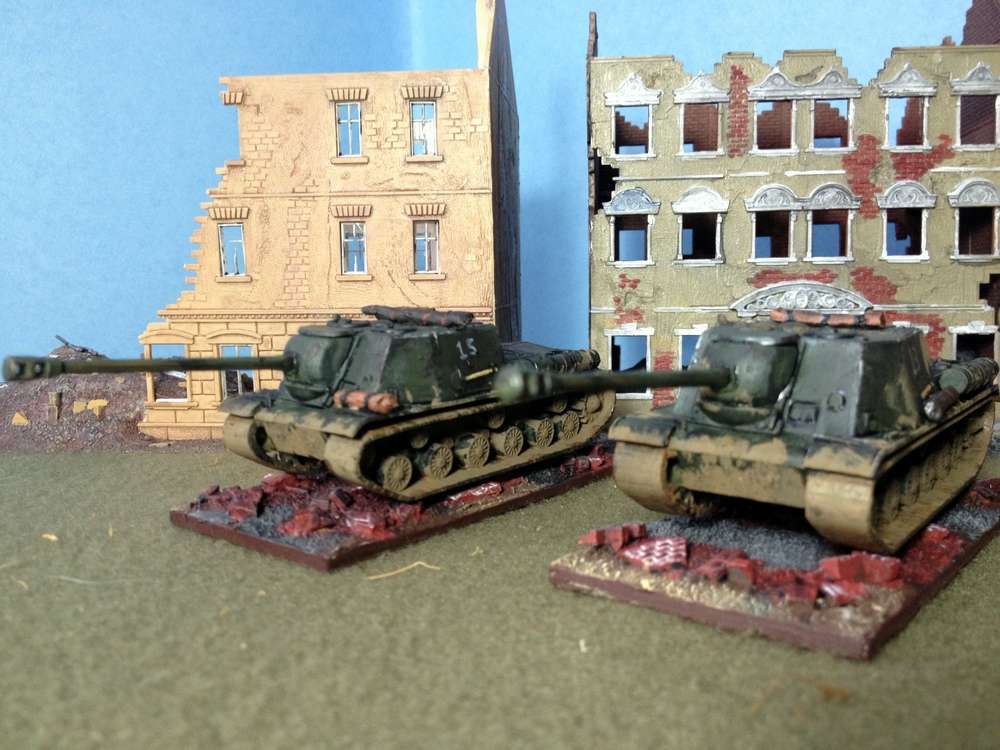
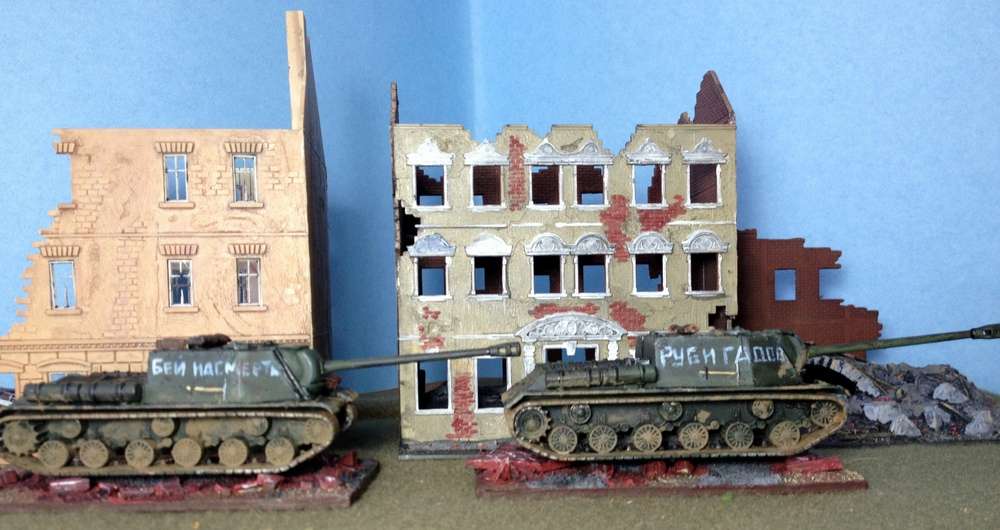
"Berlin Is Our Common Target, Comrade Boris!" "Da! And the view from this big ISU 122 is sweet, eh, Comrade Natasha?"

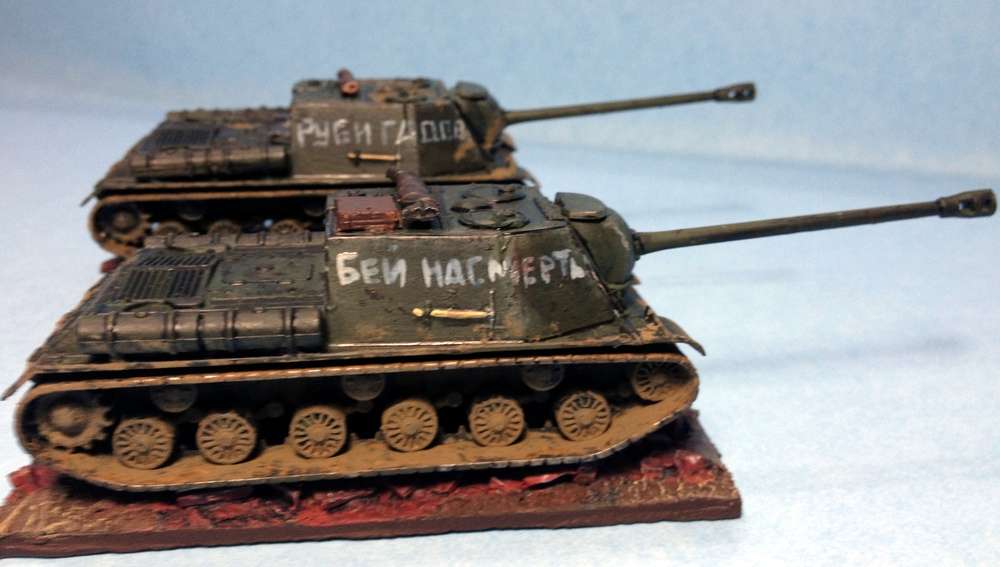
One of my brush dreams for the Analogue Painting Challenge was to get these two bruisers finished. Secondary goals were to get some more experience using my airbrush, and to play with some of that newfangled pigment that all the cool kids are using these days. All goals met.

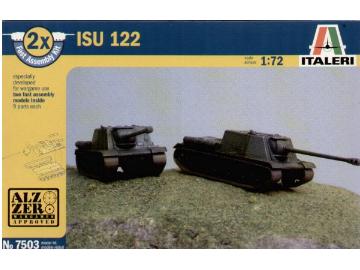
These two Bear Battle Buggies are from the Italieri ISU 122 1/72nd scale Fast Assembly Kit (Italieri Part No. 7503).

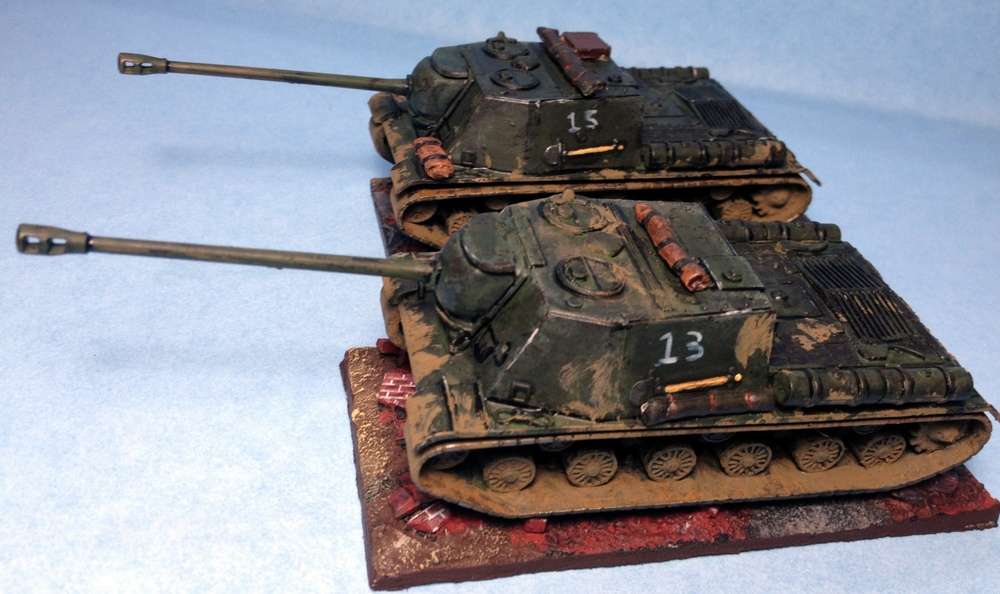
After spending an hour this evening faffing about with an old Nitto plastic kit, which I have pretty much wrecked due to the awful diagrams and myriad of small, badly moulded parts, the two models that you get with the Italieri box are a treat to put together, and are moulded to a reasonable wargamer standard. For the initial colour I used Vallejo 70894 Russian Green, airbrushed in two coats over the hull. Following a suggestion in Ruben Torregrosa's excellent "Painting Perfect Panzers" article in WSS 63, I then mixed the Russian Green with a little white and drybrushed the top and side corners of the hull. I used Army Painter Dark Tone as an overall wash, then lined out the details with Citadel ink. The tracks were painted with Army Painter Gun Metal, washed w AP Dark Tone, the track sections were lined w Citadel ink, and then washed with a Tamiya rust pigment. It all seemed like a lot of work, but the results are worth it to me.

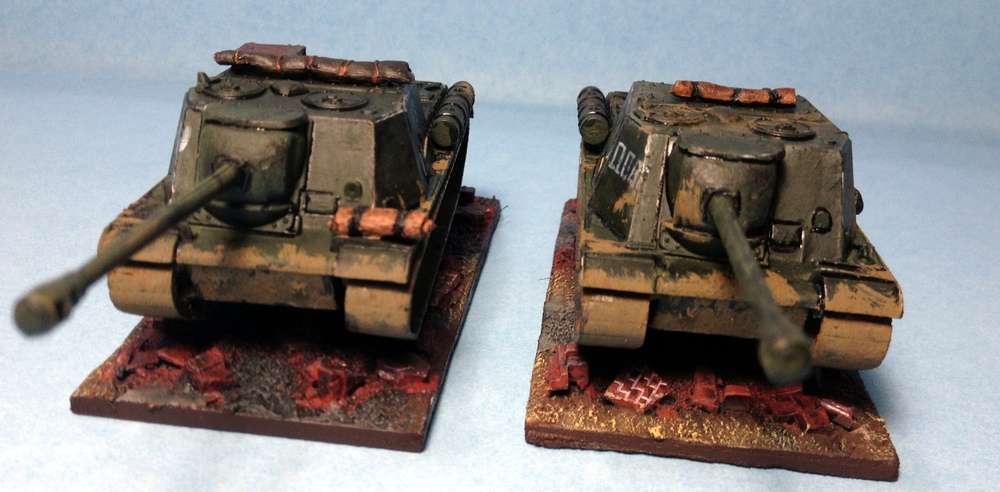
Reasonable wargamer standard does not mean stowage. Some of you chaps make stowage out of green stuff, plastercine, old cigarettes, etc. The items here are from a RAFM set I bought at Hot Lead last year. Evidently I have more money than I really need. It does give these guys that lived in look, however.

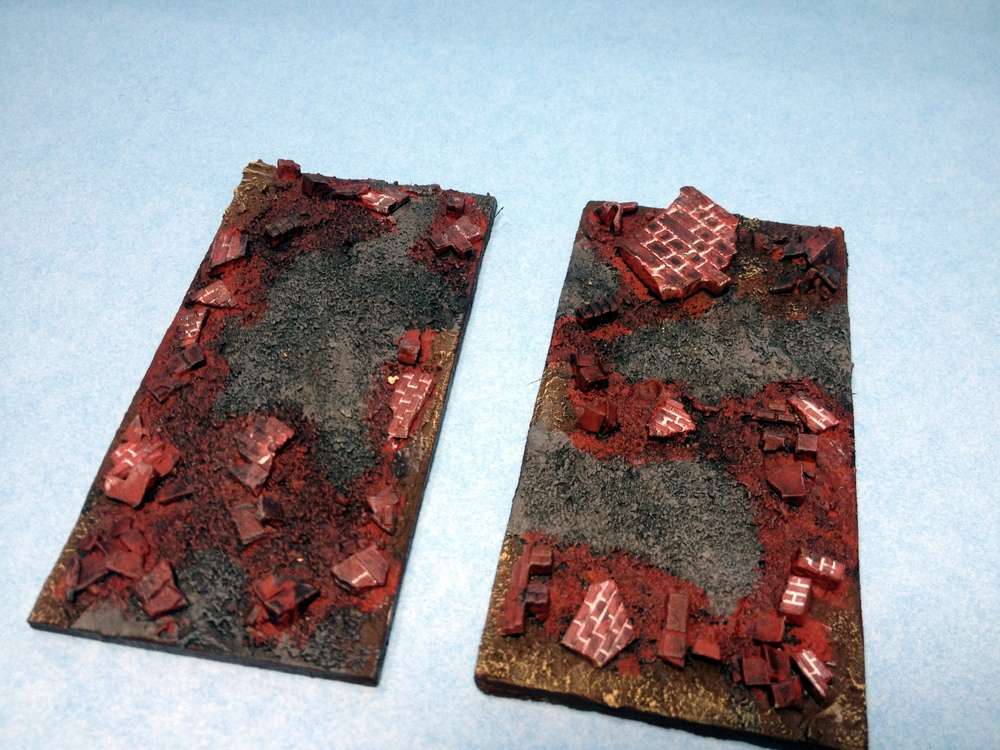
I've never made bases for vehicle models before, but they look rather nice on places like The Guild and I thought they were part of Curt's draconian rules for his Challenge. In making these, I stole some ideas from Sidney Roundwood's lovely WW1 bases, currently seen on his blog. The bricks are plaster of paris, from one of those mould systems, I think from Litko? Not sure. The point was to give an urban, Fall of Berlin kind of atmosphere.

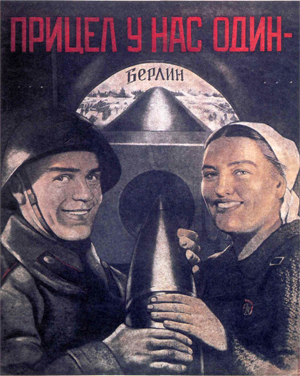
One drawback to this kit is the complete absence of decals. I had some cheesy red stars from a Matchbox T34 kit but opted instead to try my hand at Cyrillic, using some slogans ("Cut the Bastards!" and "Fight to the Death") from a fine collection of Soviet propaganda posters. I chose these slogans because they were short. They still managed to spill over the edge of the hull.

.

The dirty bottoms are courtesy of Vallejo 73109 Natural Umber pigment, which I mixed with a little bit of water into a goopy mass and liberally brushed onto the lower hulls, bogies, and tracks, with a little tossed onto the upper hulls for good measure. I liked the effect when it dried but in future the less is more rule will apply.

These big monsters were entry 5 for me in the painting challenge, and Curt kindly awarded me two extra points for presentation. Thanks, Curt. I am no threat to the leaders but I am having fun.

It rather looks like February will be the month of the Russians here at the Mad Padre's Painting Chapel. The Cossack love slaves are celebrating.

Monday, February 4, 2013

Turkish Love Slave Mystery Solved?

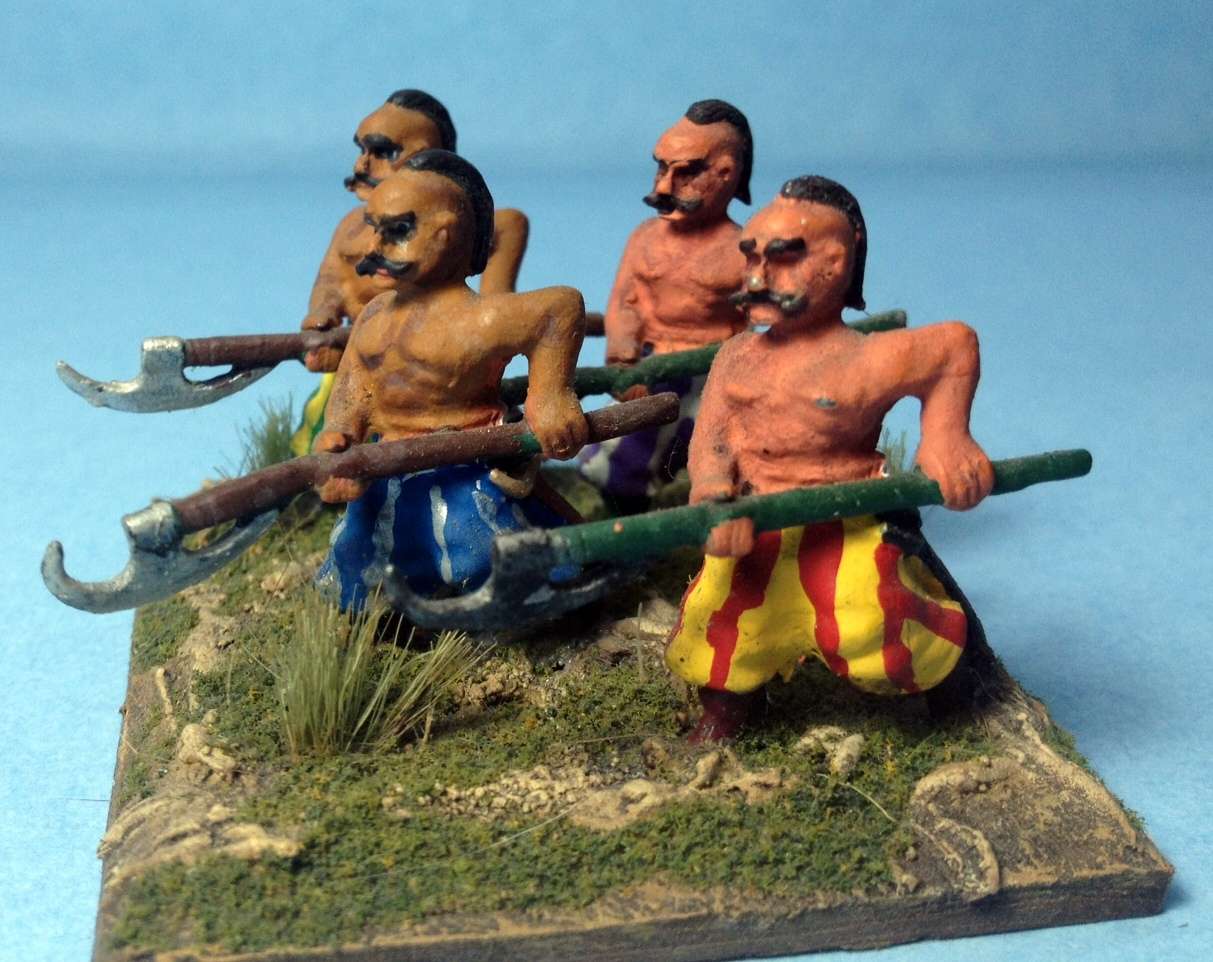
In my last post here I showed some figures that had been languishing in my collection for almost a decade. I bought them in a batch of painted figures to build what I thought would be an Ottoman army for a SYW campaign. The Stratford gang christened them "Turkish Love Slaves" and the name stuck. But who made them?

These figures were hastily repainted by me back in the day, and kindly based by a prince of a chap called Kirk Docherty, whose style of basing I now slavishly follow.

James "Rabbitman" Manto remembers me getting these, and identified them as Essex 28mm Renaissance Cossacks. The Essex website shows a sculpt called "Zaporozian Axemen" which look similar to my chaps but not quite. Is James right? Anyone else know for sure? Do I need to start calling them the Zaporozian Love Slaves?

Sunday, February 3, 2013

Going To The Frontier With MacDuff

This Friday at the Mad Padre's Wargaming Chapel my friend Ryan came over to help me accomplish two objectives. The first was to dust off some figures that haven't seen use in my last two moves and postings. The second was to try Ross MacFarlane's free rules, With MacDuff To The Frontier. Ross describes these as "19th Century Toy Soldier Wargaming Rules", and they always look like fun when featured on his blog. They didn't disappoint.

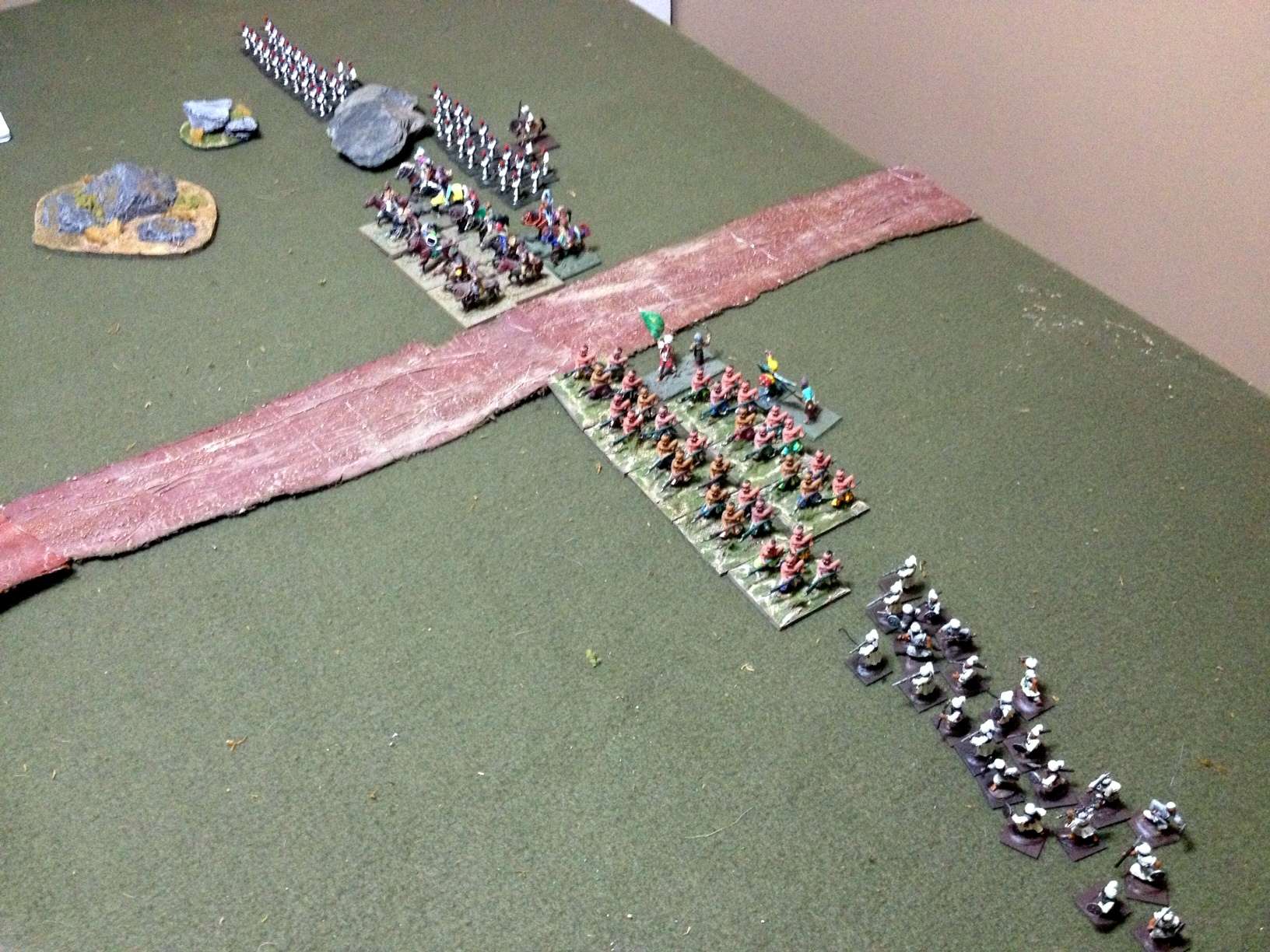
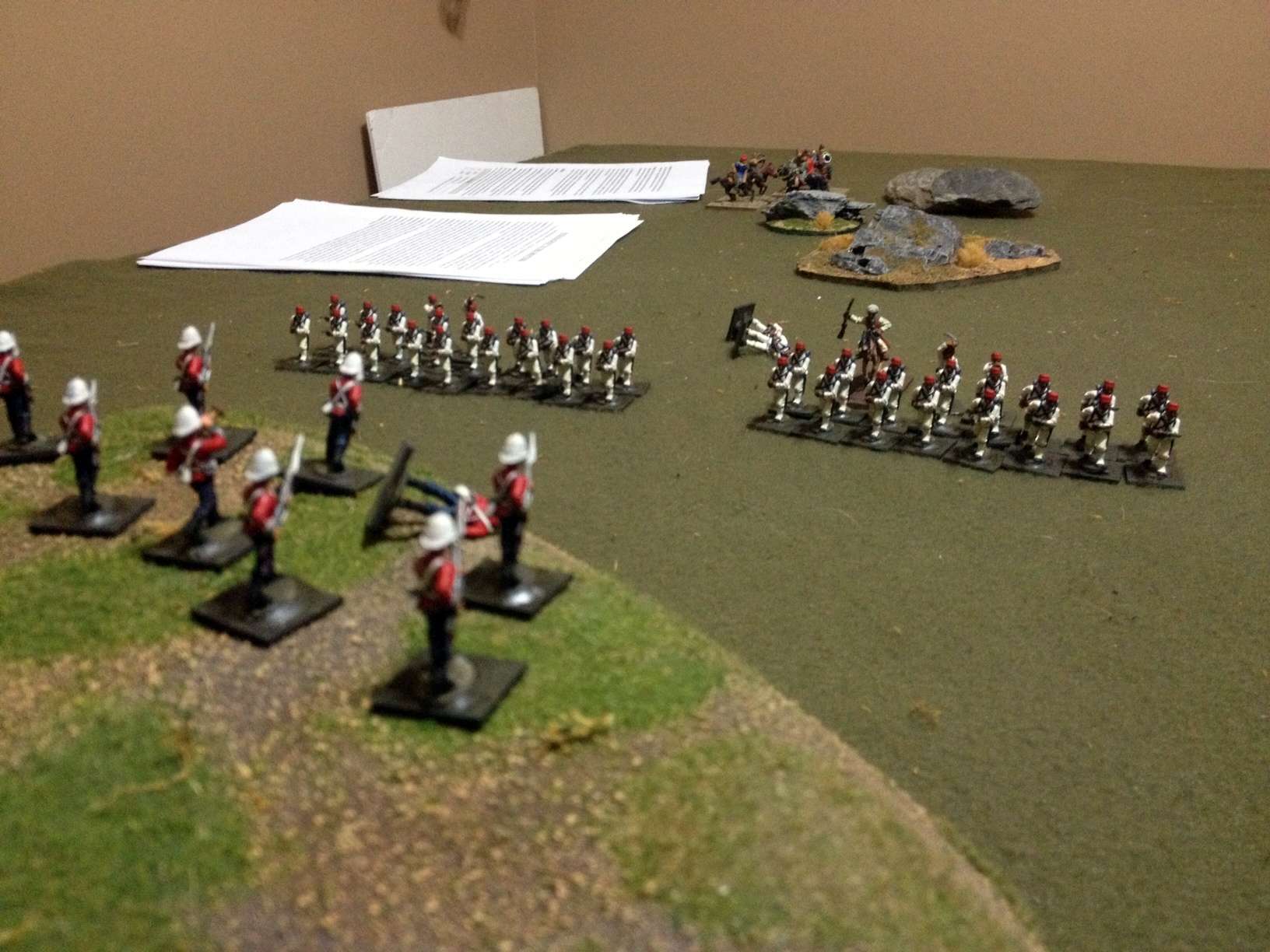
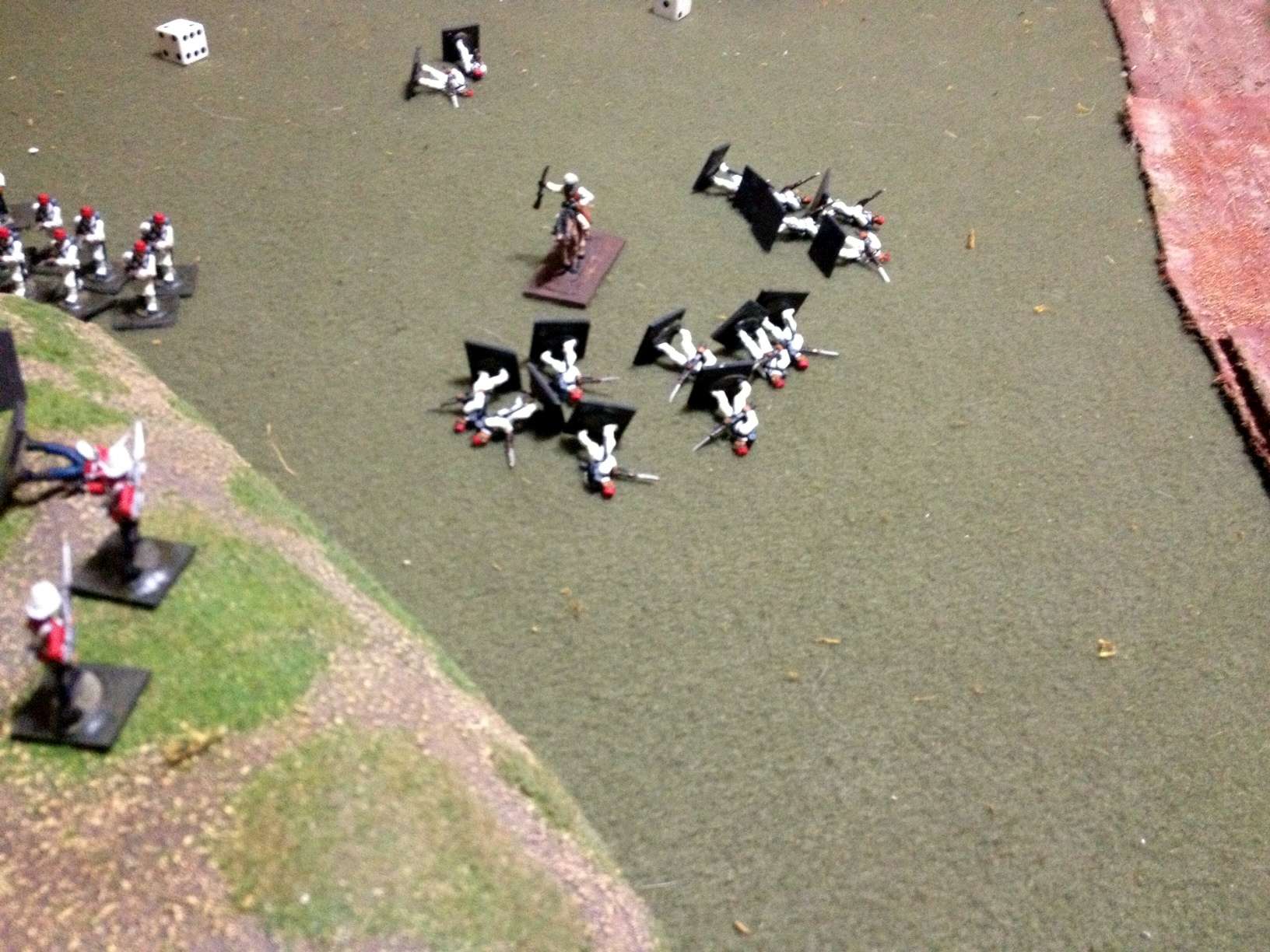
We chose forces by die roll, with the high dice getting the redcoats (me). Ryan took his colonial mob and set them up 18" in on his side of the table, a barren, featureless waste, with the objective of keeping the British column of Colonel Clive Whicker-Baskett from traversing the road to Strategibad. Ryan had two large units (20 figures each) of mutinous trained regular infantry, looking resplendent in their red fezzes, but rated as Militia/Levy, shown top left. In front of them was a troop of a dozen irregular cavalry with hand weapons, a large mob of some 28 irregular infantry with hand weapons, and on the bottom right a dangerous mob of 24 irregular infantry with jezail type firearms. All the irregular troops were rated as impetuous. It looked like getting through that lot would be impossible. The more pressing task for the British looked like fighting for their lives.

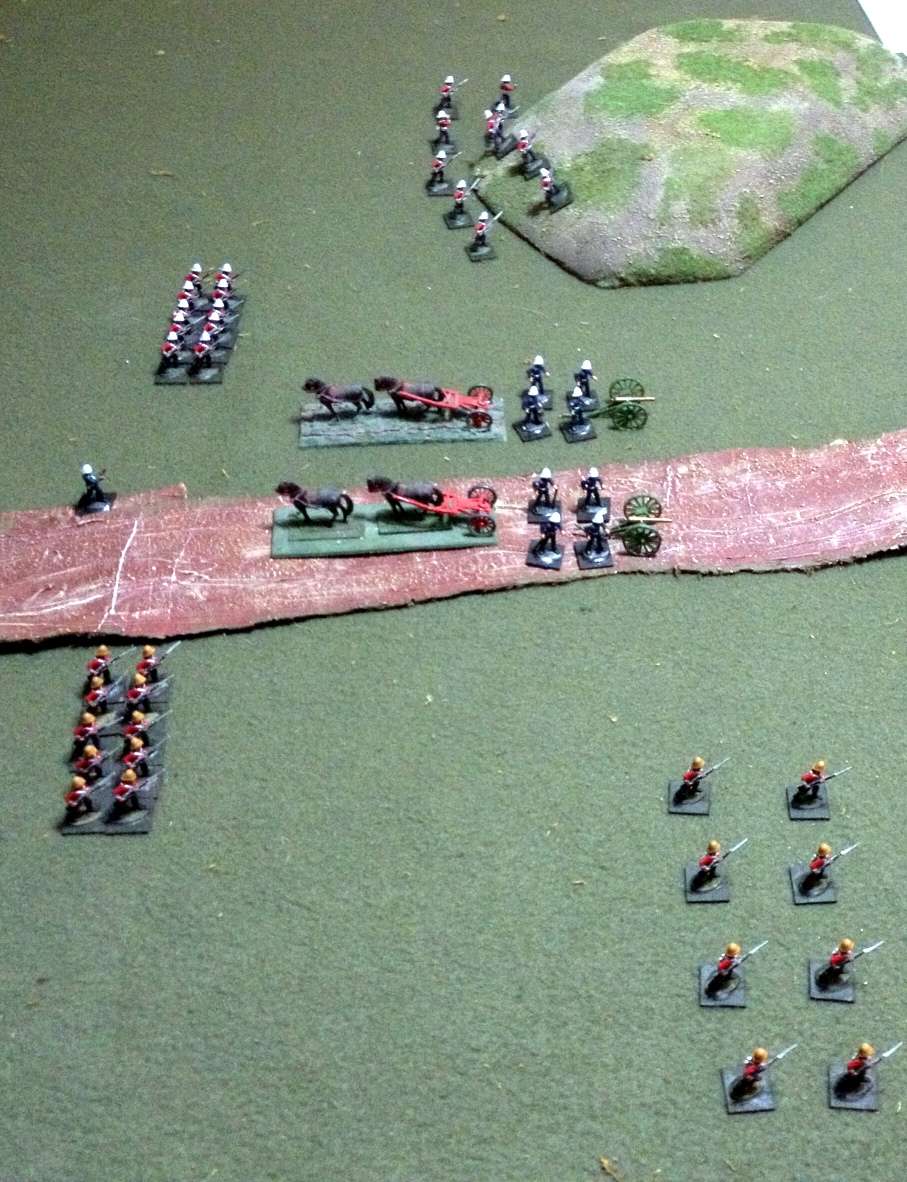
The British force was much smaller. I had forty figures of infantry, which I divided into four units of ten, two on my left and two on my right, with two guns in the middle. We rated the infantry as regular veterans, giving them the ability to skirmish, and rated the guns as horse artillery.

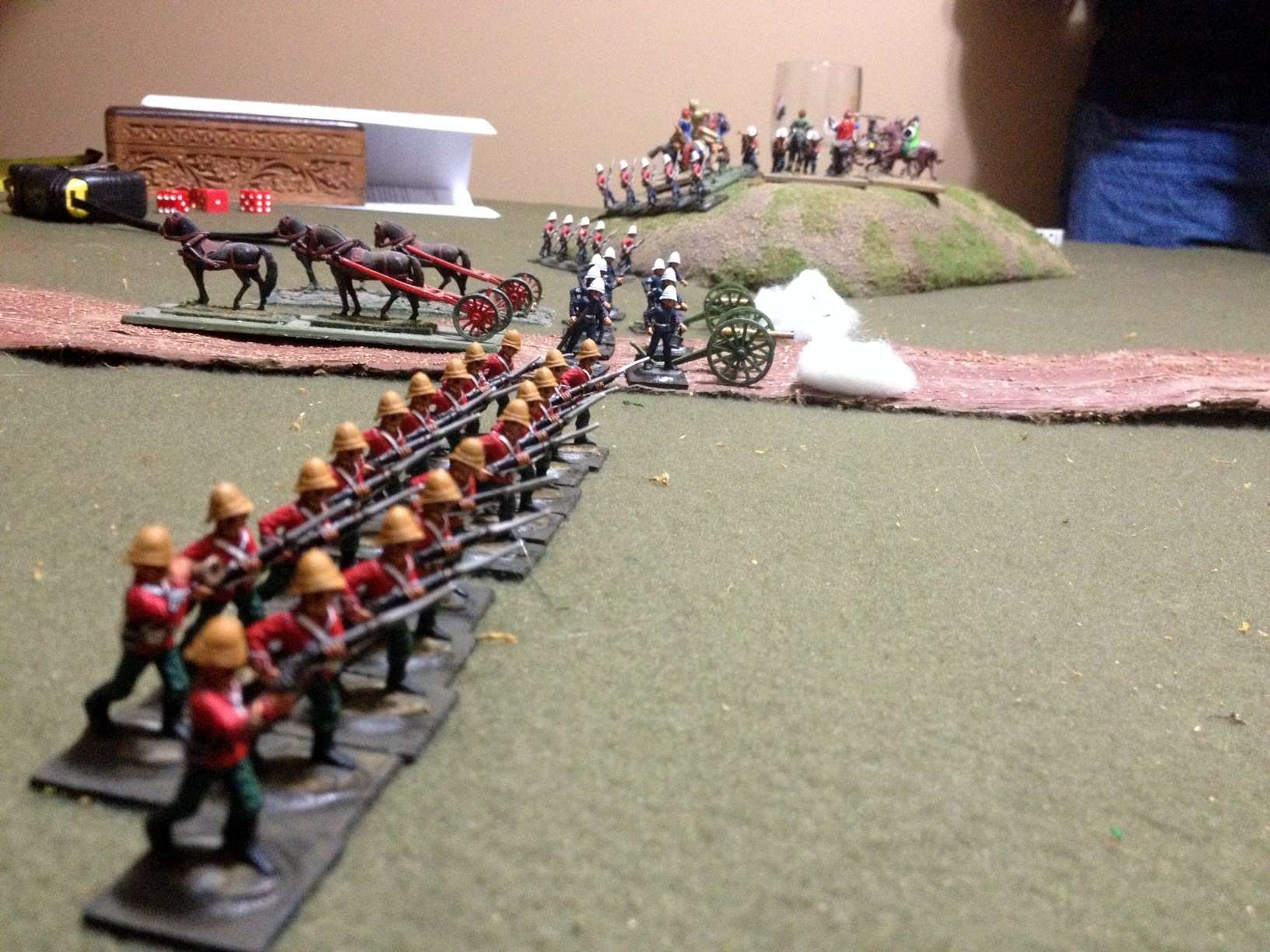
First turn to the British. I roll for orders and get to move four units, so I elect to move my two guns forward ten inches and unlimber. On the bottom right, I send a company of the Black Watch forward in skirmish. On the top left, I send a company of the Lancashires forward in skirmish, hoping to grab that nice steep hill that guards my left flank.

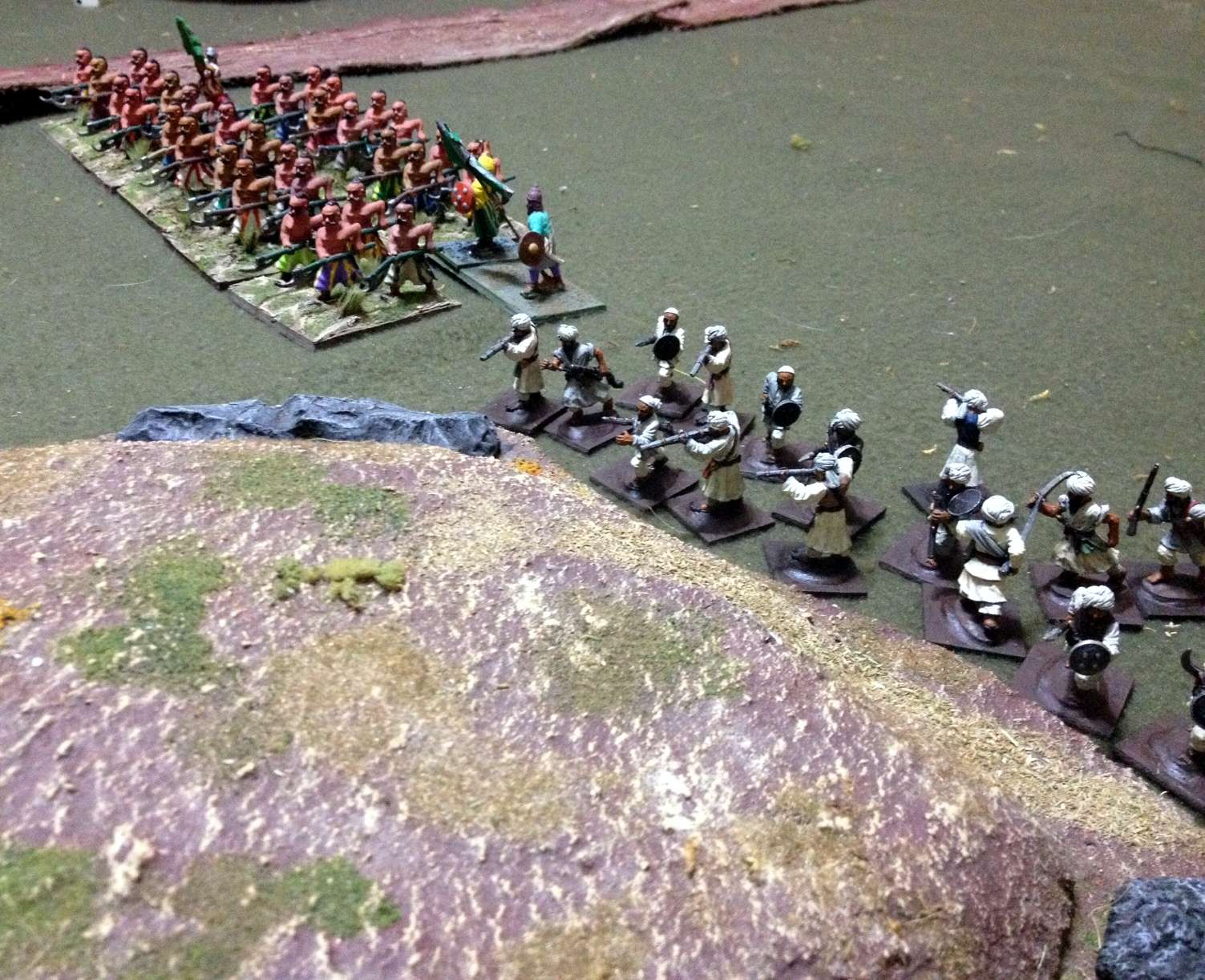
Ryan unleashes his mobs of infantry. The figures in white are part of a whack of colonial figures are I think RAFM or Ral Partha, as are all of the British. The shirtless chaps on the top left, well, I have no idea who made them. Sing out if you know more than I do. Had them for ever, bought them painted in a job lot for my 28mm Ottomoan army, known to my wargaming group at the time as "The Turkish Love Slaves". Go figure.

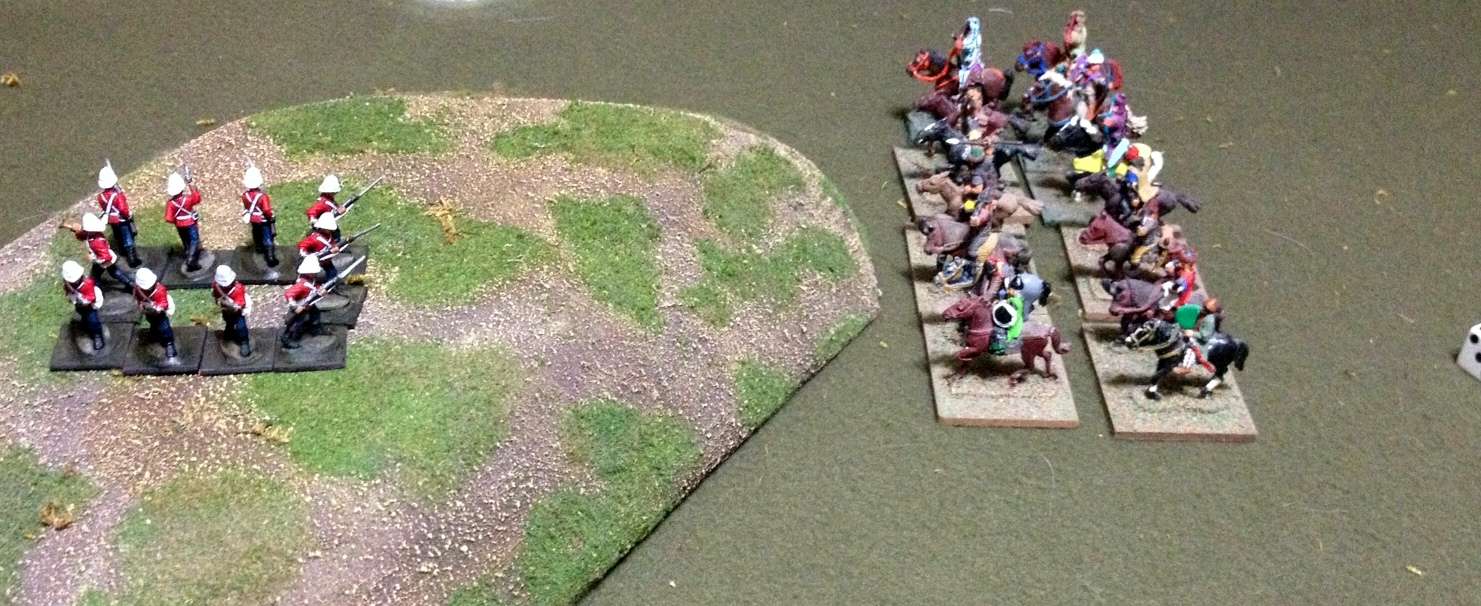
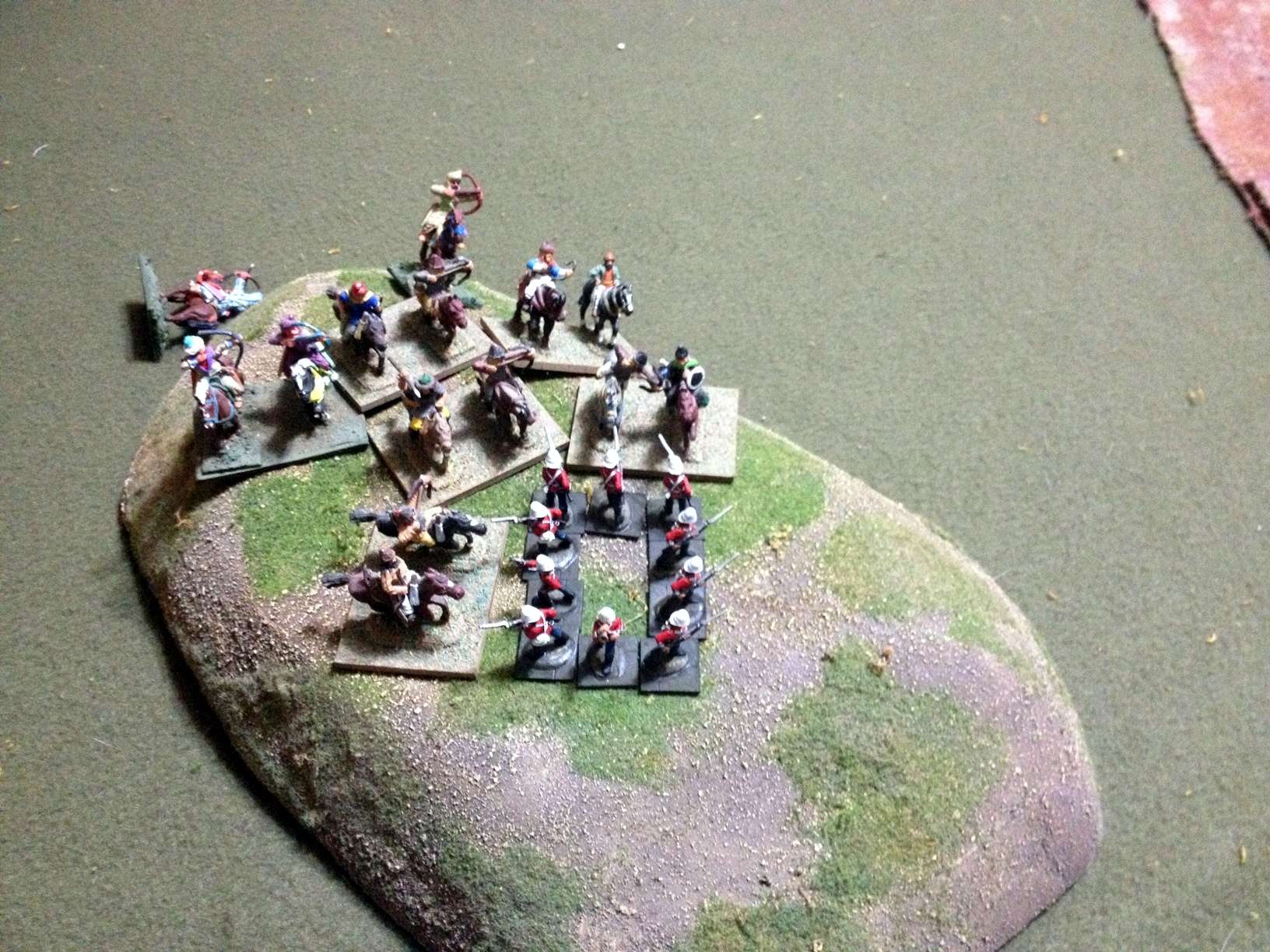
Ryan sends his cavalry forward, hoping to grab the hill. I have a grand total of one order to respond before they get there, so I send the Lancs forward to grab the hill and form square. I bite my nails hoping that they will hold.

Lancs musketry drops a rider on the way in. In melee the cavalry are penalized by charging uphill and fighting infantry in square, so they need a 6 on a d6 to cause a casualty, whereas the infantry need a 4-6 per d6, so the Brits have the advantage in a melee that would last for several turns. . One thing that wasn't clear to us was whether the infantry could shoot in the action phase before the melee phase. We gave the infantry the benefit of the doubt, which helped them whittle down the cavalry to the break point in a few turns.

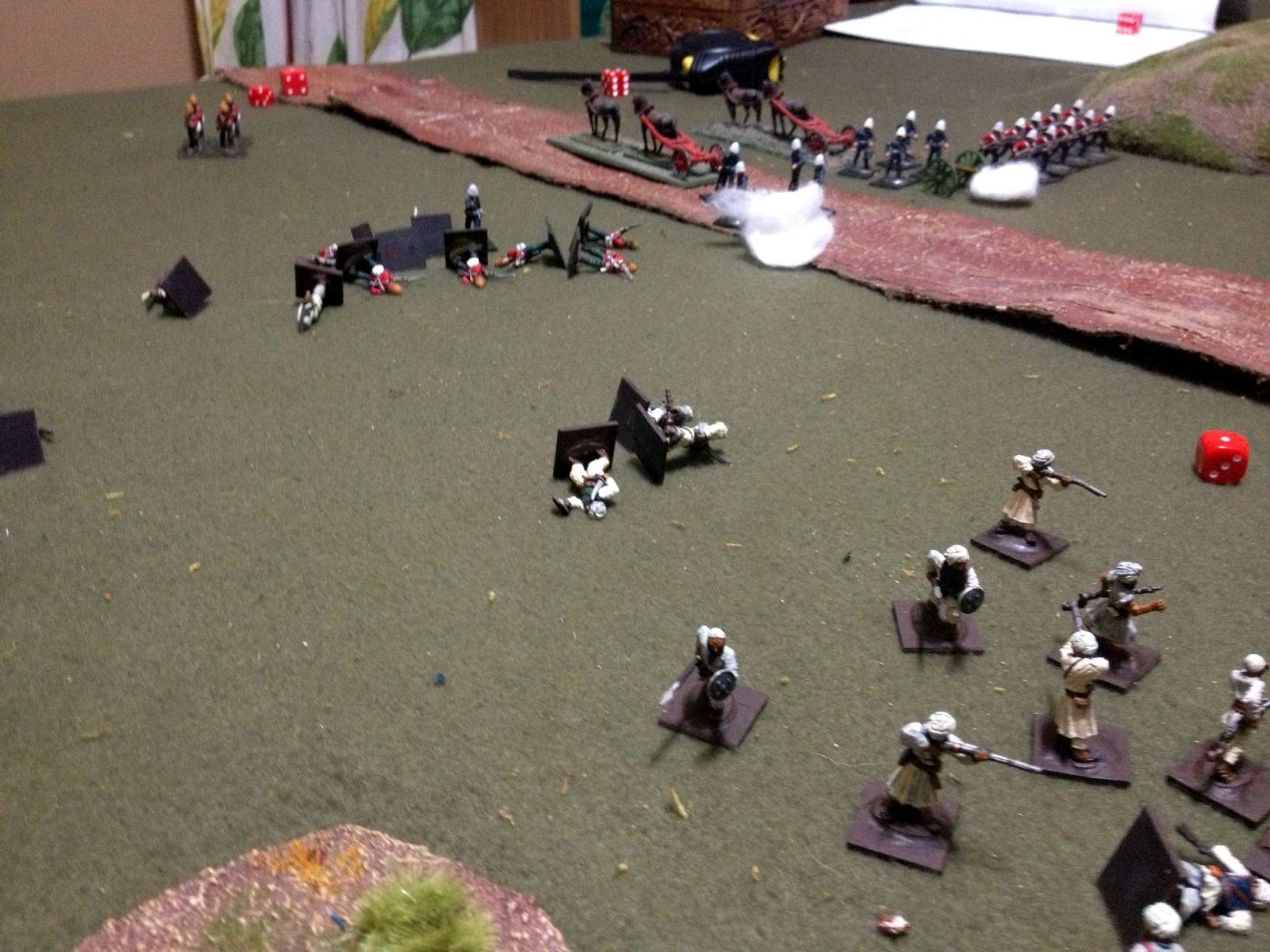
While the fight on the hill rages, the British artillery bombards the love slaves (I can't resist calling them that) on their way in, while the forward company of the Black Watch engages the native riflemen on the hill, drawing first blood.

"Steady, lads!". The Black Watch skirmishers fall back and reform on their sister company, ready for the coming storm. As mentioned before, the British figures are RAFM (Ral Partha?). I got them all in a trade. Their owner wanted the Sharpe and Sgt. Harper figures that I got when I bought the Sharpe Practice rules from Too Fat Lardies when they were released. He was willing to offer a hundred well painted colonial figures in return, including the two guns. Who was I to refuse? I think I got the better of the deal.

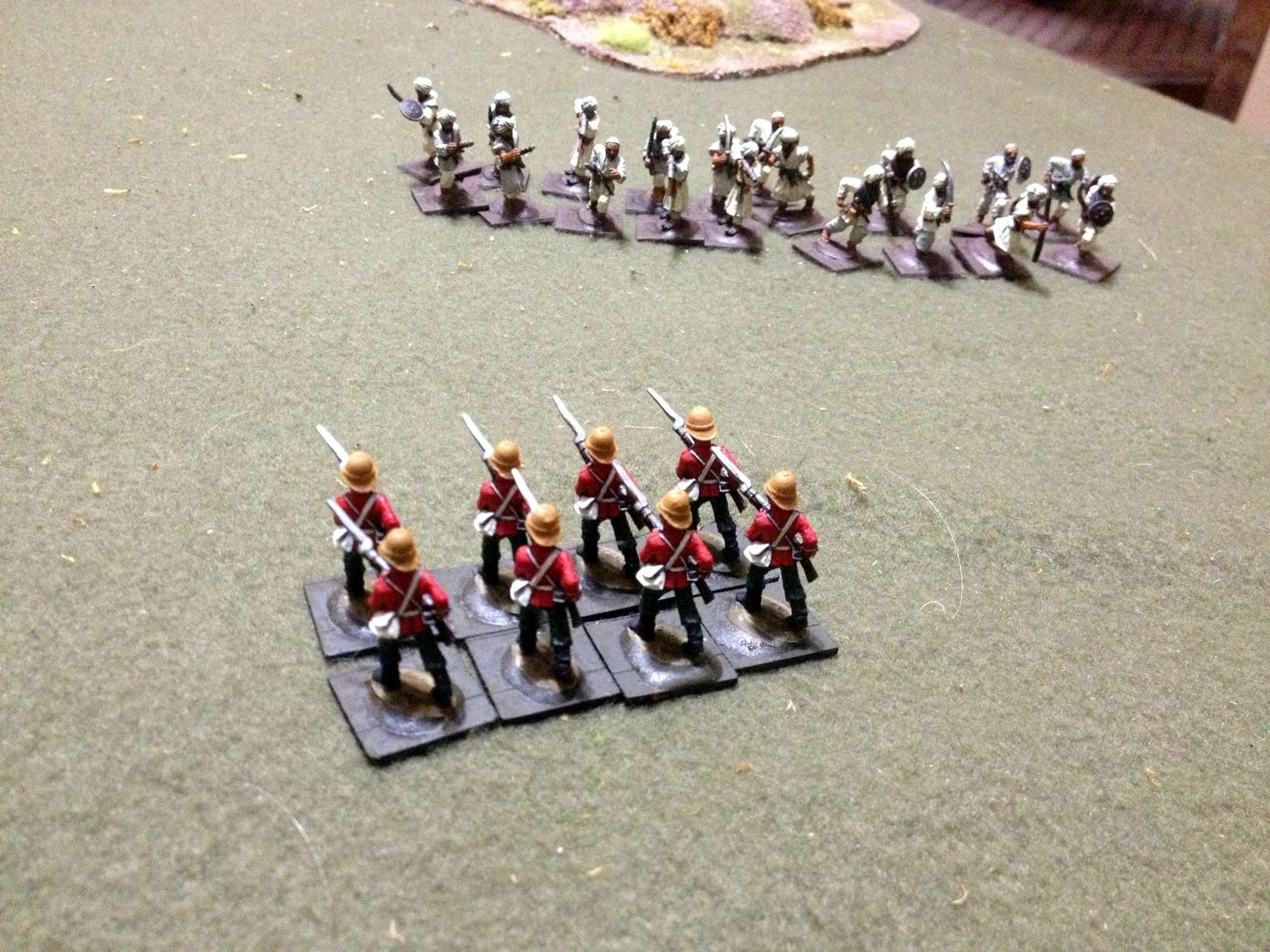
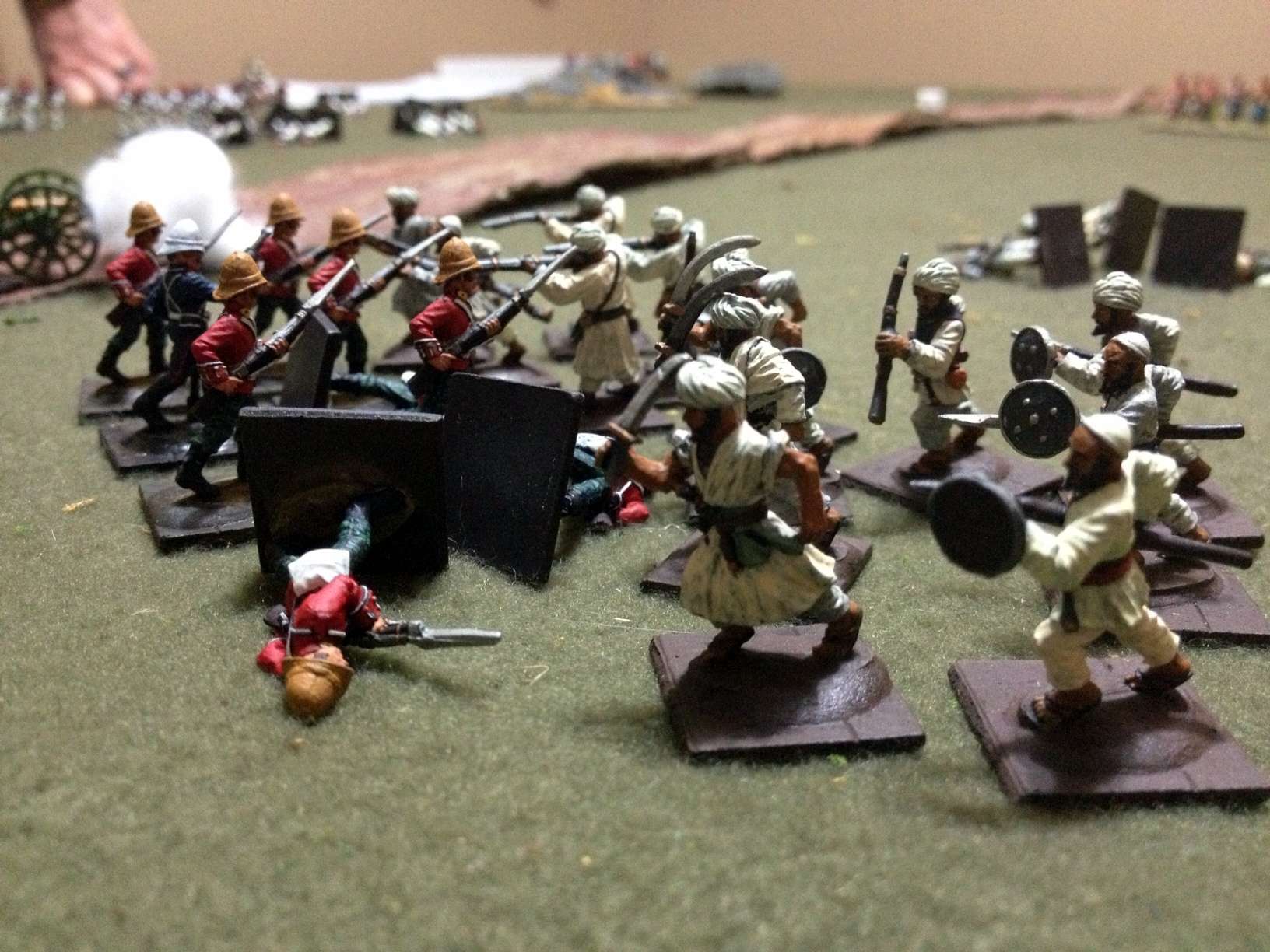
The tragic scene a moment later. The Black Watch elect to stand and shoot as the love slaves charge home, and in the melee that follows drive them below their 50% break point and drive them off, but at a terrible cost. The right hand company of the Higlanders is reduced to 40% and routs, while the left hand company is down to 60%. The British right wing is now looking rather shaky, and there is still another mob threatening the right.

On the left the Lancs, having seen off the cavalry, whose remnants can be seen skulking in the rear, now resume skirmish order and shoot at the enemy regulars as they move forward. At this point Ryan had a miserable streak of luck, rolling a series of 1s and 2s for his orders, and thus a very piecemeal and halting attack, which saved me from being swamped.

A nice feature of MacDuff is the rally rule, which allows you to try and recover casualty figures, though with the risk that the unit might not rally, but panic and fragment further. In this case Col. Whicker-Baskett was fortunate, returning one company of the Highlanders from 6 to 8 figures, as they get ready to stand against the oncoming mob.

Col. Whicker-Baskett just has time to attach himself to his rallied and remnant Highlanders before the mob is on them, determined to do or die with his men.

Sadly all the remaining Highlanders are killed in the melee, along with several of the mob. The Colonel is captured and led off into captivity. The game is lost!

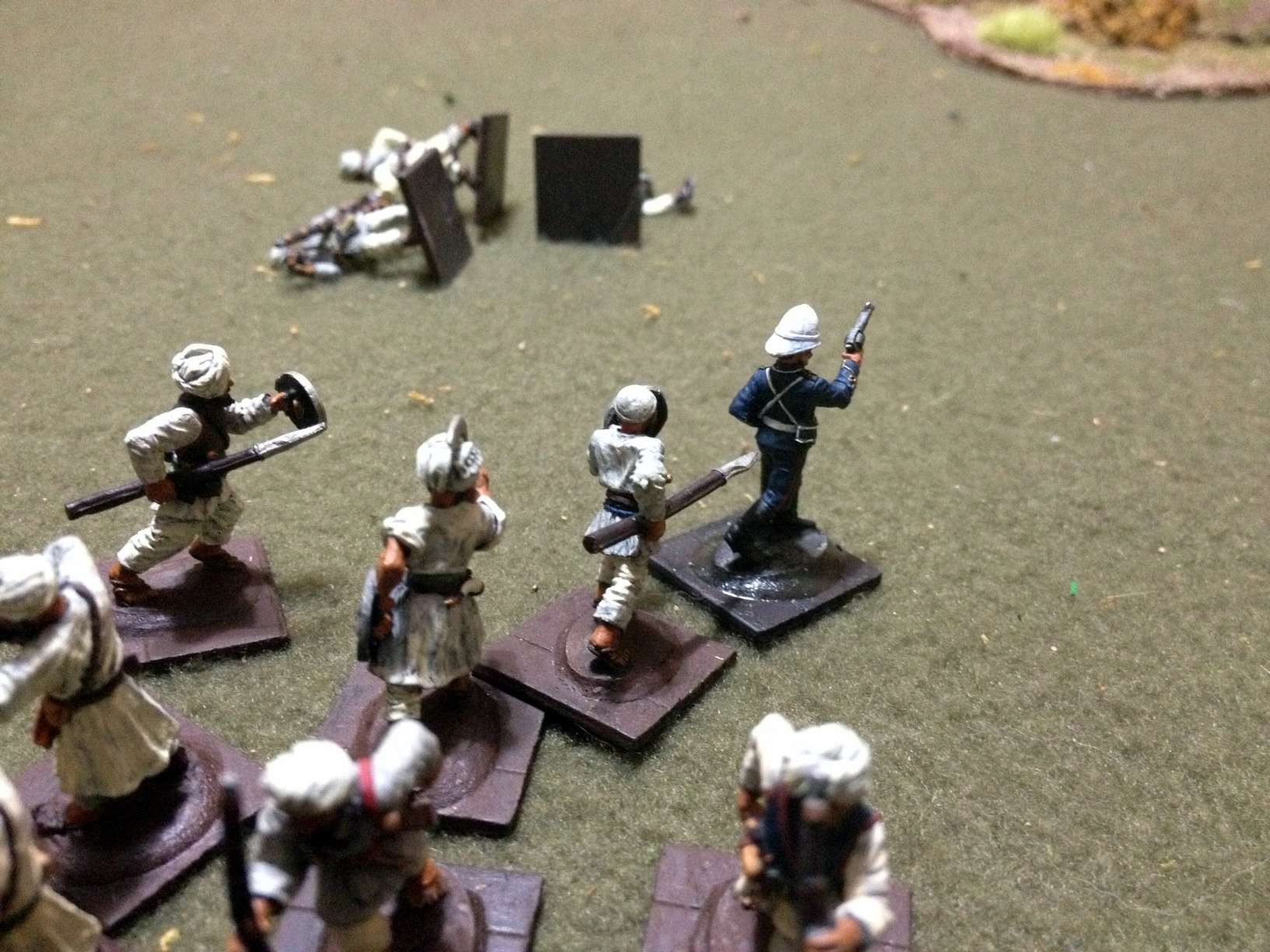
But wait, what's this? Ryan counts his casualties and discovers that in dying in place, the Black Watch dropped the mob below their 50% break point. We decide that the mob routs and runs away, leaving Col. Whicker-Baskett standing, his smoking Webley revolver in hand. The man's a bally hero!

Ryan watches as the fight against the Highlanders unfolds, while his infantry plods forward, taking a heavy pounding from the Lancs and from the British artillery. The next turn will be decisive.

Ryan's infantry trudge forward, but the rserve company of the Lancs, my last untouched unit, steps forward and unleashes a volley, devastating the one unit. The survivors melt away, and that breaks the moral of Ryan's army. We call it a night.

Two good things happened tonight. We had a terrific game, thanks to a rules set that Ross has generously provided to the gaming community. MacDuff was quite friendly and easy to play, with only a few questions that I need to put to Ross offline, probably because I didn't read the rules carefully enough. Thanks for these great rules, Ross, they were great fun. The other good thing was that I got a chance to have a great game with Ryan, and to use a whole mess of figures for the first time. Hopefully they will be used again soon. I have plans for another outing with MacDuff soon. They are billed as being 19th century rules, but I have a feeling that they will work for my 18th century Russians and Turkish armies, which is basically a colonial wars matchup only with tricornes instead of pith helmets. Thanks for reading, and may God prosper yoour brushes and dice rolls.
Blog Archive

Followers